
New Construction
Foundation support for qualified new residential and commercial builds, coordinated with the general contractor and project team.
Deep foundation support · South Florida
Helical pile installation for qualified new construction and existing foundation projects—reviewed against your project information and installed by Southern Coast Foundation Systems’ own experienced crews.
What helical piles are
Helical piles are steel shafts with one or more helix plates—flat, spiral-shaped bearing plates—attached along the shaft. During installation, the pile is rotated into the ground with specialized equipment, and the helix plates advance the shaft toward suitable bearing soil or strata as established by the project design.
Because installation is rotational rather than impact-driven, helical piles can suit sites where access, nearby structures, or working space need to be considered. The shaft, helix configuration, length, and depth are not one-size-fits-all: they are selected for the structure and site conditions of each project.
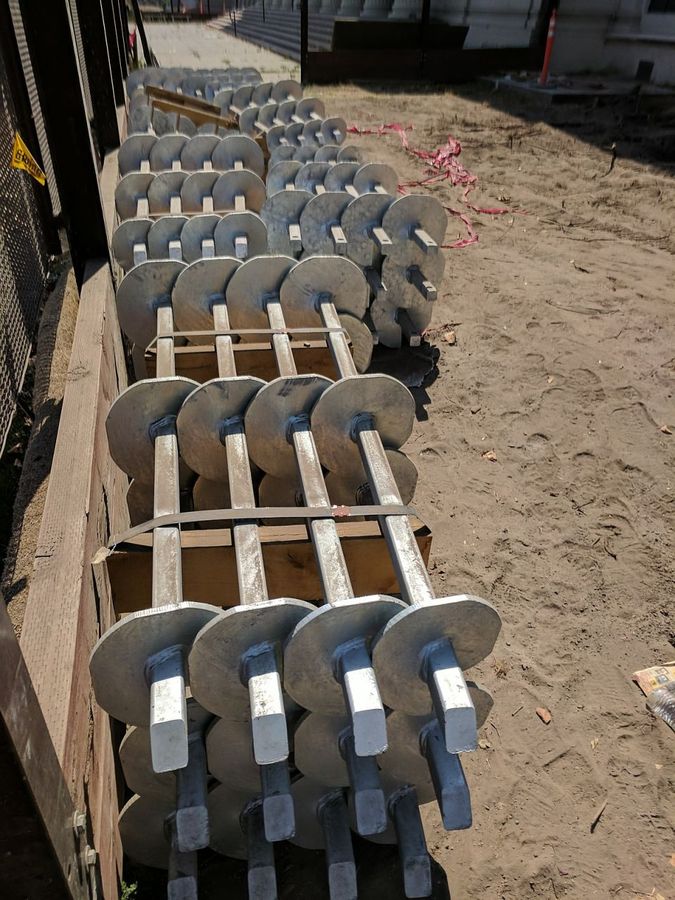
Potential applications
Whether helical piles fit a project depends on the structure, the site, and the design requirements. We review the available information before recommending a direction.
Foundation support for qualified new residential and commercial builds, coordinated with the general contractor and project team.
Stabilization support for existing structures where a deep foundation solution is specified for the project.
Projects where the design calls for piles to reach suitable bearing strata rather than rely on support near the surface.
Sites where compact equipment, waterfront proximity, or a confined working area need to be planned before installation.
Planning a project? Send the available plans, engineering, and site information. Our team will confirm whether the scope fits SCFS capabilities and explain what is needed next.
Why a project may use them
Helical piles are one option among several deep-support approaches. Where they are appropriate, these are the practical reasons a project team may choose them.
Talk through your projectResidential & commercial
Homeowners and project teams come to SCFS with different questions. Both get the same starting point: clear information about what helical piles can and cannot do for the property.
Residential
Commercial & contractors
Evaluation & installation process
The exact path depends on the project. This is the practical framework our team uses to review a scope and keep communication clear.
Send the address, available plans or engineering, and the conditions you already know about.
We review the information, ask focused questions, and confirm whether helical piles fit the project.
Specification requirements, access, and sequencing are coordinated before installation begins.
Our in-house field team performs the approved work and stays connected with the project team.
Real SCFS jobsites
These photographs come from the Southern Coast Foundation Systems project library and show real crews, equipment, and jobsite conditions.
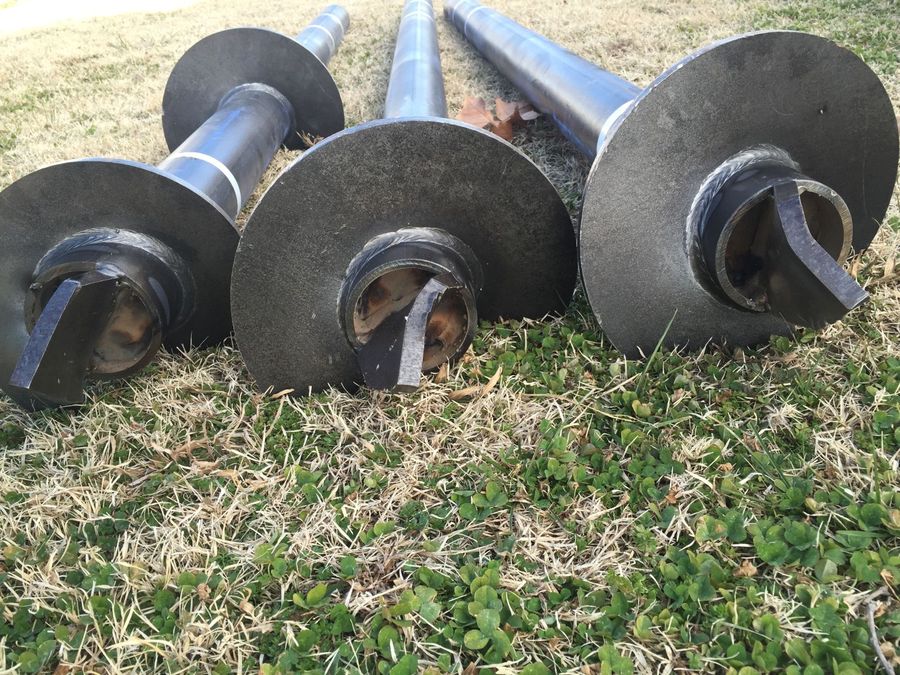
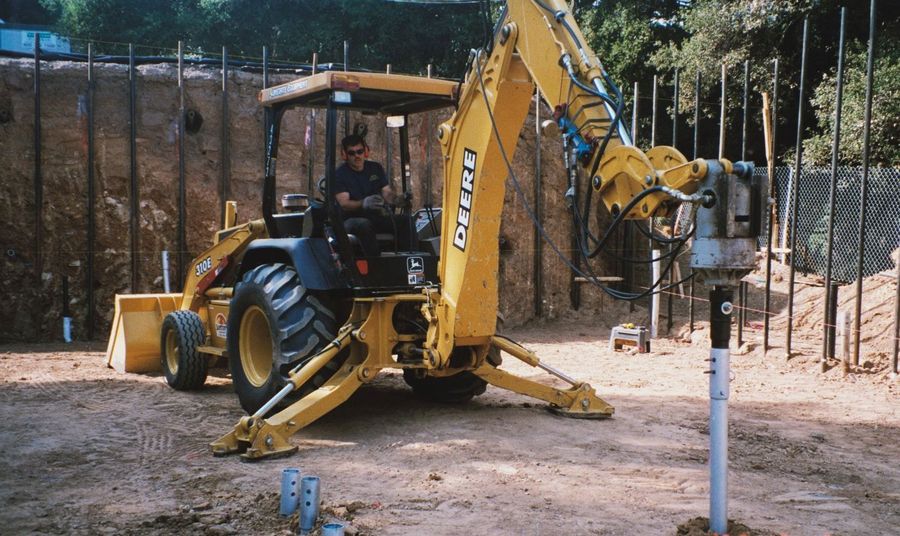
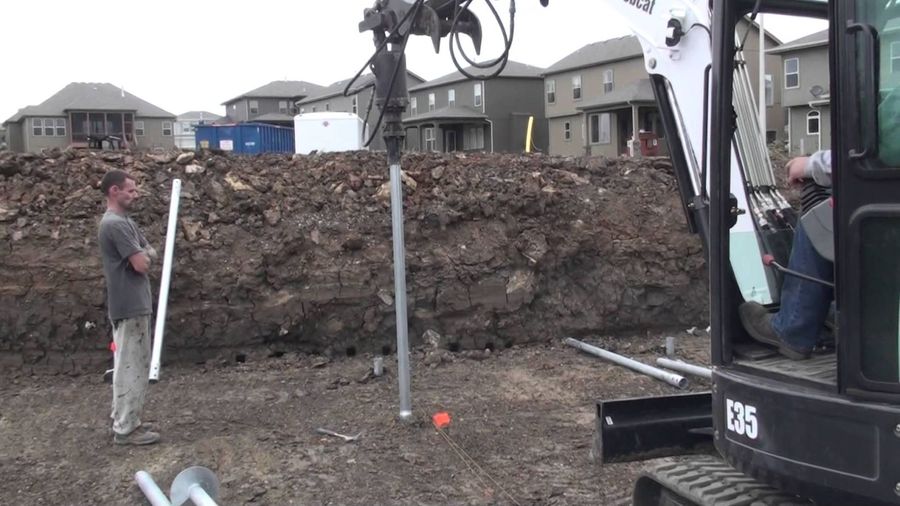
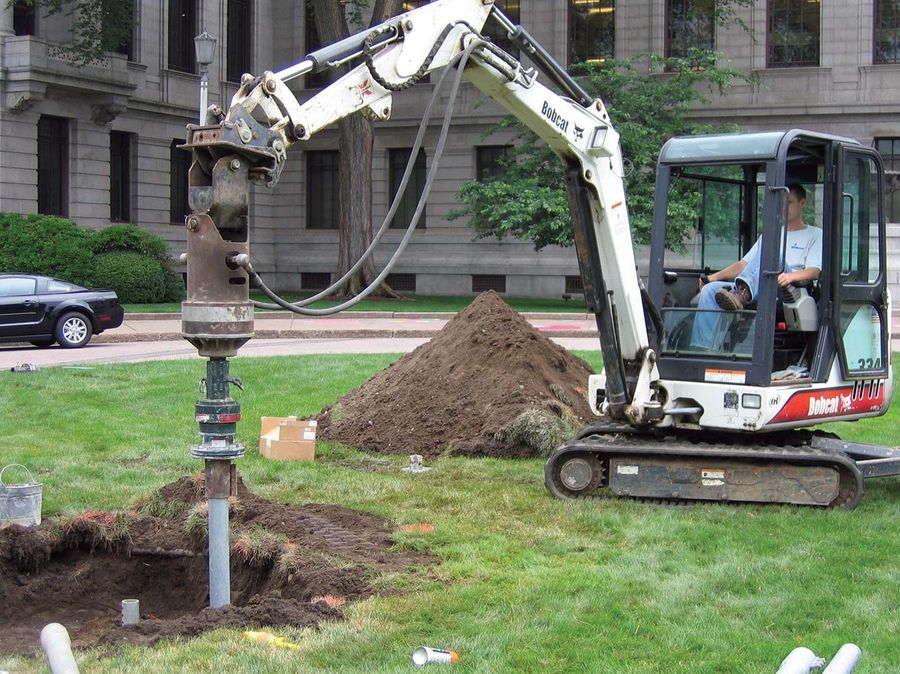
Project names and technical specifications are intentionally omitted unless separately confirmed. See more real SCFS work in the project gallery.
Technical information
Load capacities, pile sizes, depths, and corrosion requirements are engineering decisions that belong to the specific project. Instead of publishing generic numbers, SCFS reviews what your project actually calls for and explains it in plain language.
Bring what you have—plans, an engineer’s design, or a site that needs investigation. Our team will identify what is needed before any spec is proposed.
Send project informationReviewed for each project
What the pile needs to support, as established by the project design.
The site details and available soil or geotechnical information for the project.
Shaft, helix configuration, length, and depth appropriate to the design.
Equipment, staging, and sequencing around the conditions on site.
Coordination and documentation required by the project team.
Have project information or a site address?
Tell us what the project needs and what you already know. Plans, an engineer’s design, or a few site details are enough to begin.