Ground improvement · South Florida
Soil stabilization for homes and commercial properties where the ground beneath a structure, slab, or paved area has become unstable, uneven, or voided—evaluated on site and scoped to the specific condition.
Illustrative image · not an SCFS project photograph
Why soils can become unstable
Soil is not static. Water moves through it, loads press on it, and conditions change over time. When the ground under a property loses support or develops weak zones, the effects show up above—in slabs, pavement, and the structure itself.
See how we evaluate itSigns to watch for
These are the common observations that lead property owners and managers to ask about soil conditions. Their cause still needs to be evaluated on site.
Sunken or spongy areas in a yard, lot, or drive that were once level and firm.
Openings or hollow-sounding areas under slabs, walks, or paving.
Cracked or out-of-level concrete flatwork, steps, and paved areas.
Settlement or separation around a structure or site feature that keeps changing.
Not sure what you are looking at? Describe what you are seeing and we will explain what information or evaluation is needed next.
Property & project types
Soil stabilization is about the ground and what it supports. These are the property types and conditions SCFS reviews for it.
Homes and residential lots where unstable ground is causing movement, voids, or uneven surfaces.
Commercial properties and sites where ground conditions affect buildings, lots, or access areas.
Driveways, walks, parking areas, and slabs affected by what is happening in the soil below.
Have a specific condition? Send the property details and photographs. Our team will confirm whether the scope fits SCFS capabilities and explain what is needed next.
Evaluation & recommendation
The exact path depends on the property. This is the practical framework our team uses to review a soil-related concern and keep communication clear.
Describe the symptoms, when they appeared, and the property details. Photographs help us start.
We review the site information and identify what additional evaluation is needed.
SCFS assesses the ground conditions and how the structure or surface is being affected.
We explain what we found and the project-specific path forward, with no overselling.
How the work is scoped
The right approach depends on what the evaluation finds: the soil, the water, the structure, and the access to the work area. SCFS scopes each project around the actual condition rather than applying one standard solution.
If the concern turns out to be a foundation issue instead of a soil issue, we will say so and point you to the right service.
Request an evaluationReviewed for each project
What the ground is doing and what evidence is available.
Where water moves, collects, or may be carrying soil away.
What the ground supports and how it is being affected.
The working area, nearby structures, and site conditions.
The recommended approach and sequence for this property.
Project photos
Illustrative images representing soil-stabilization work: a site evaluation, stabilization work in progress, and a completed property. They are not photographs of specific SCFS projects.
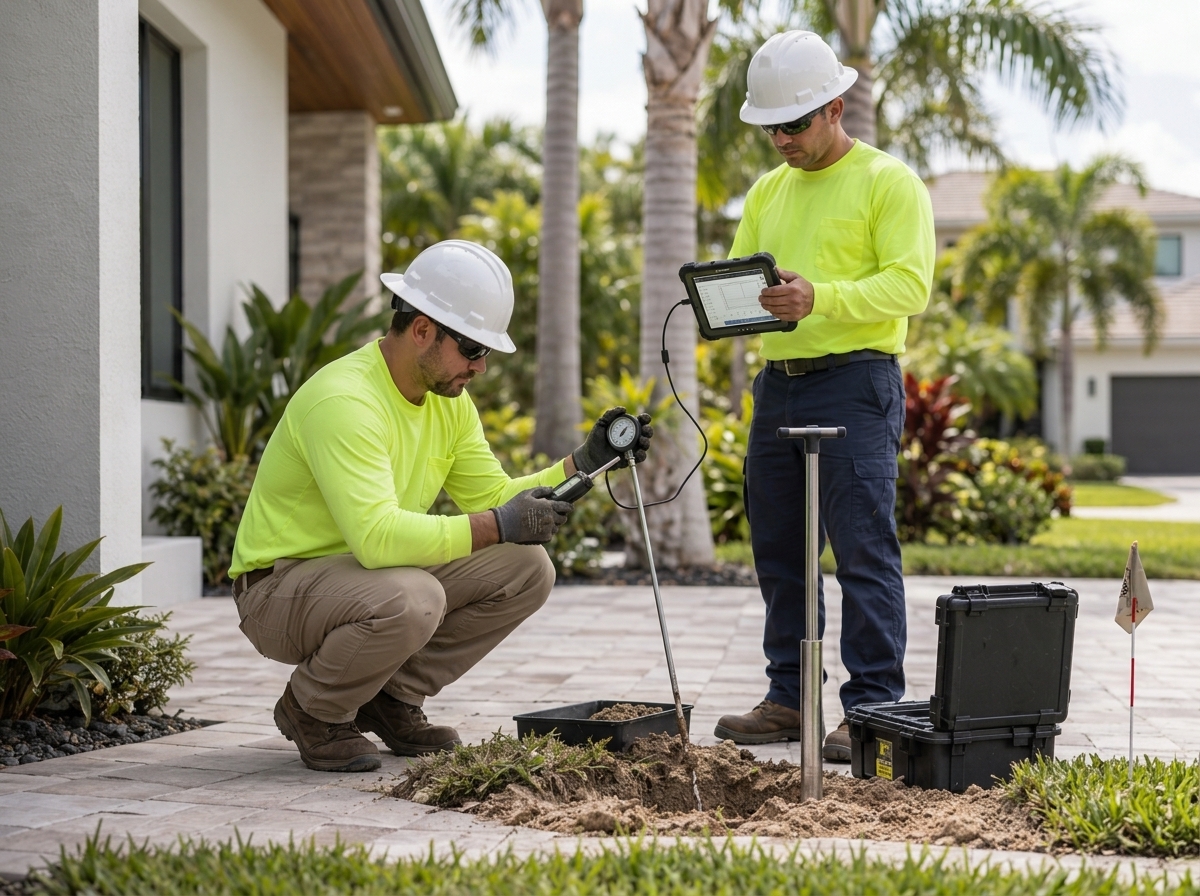
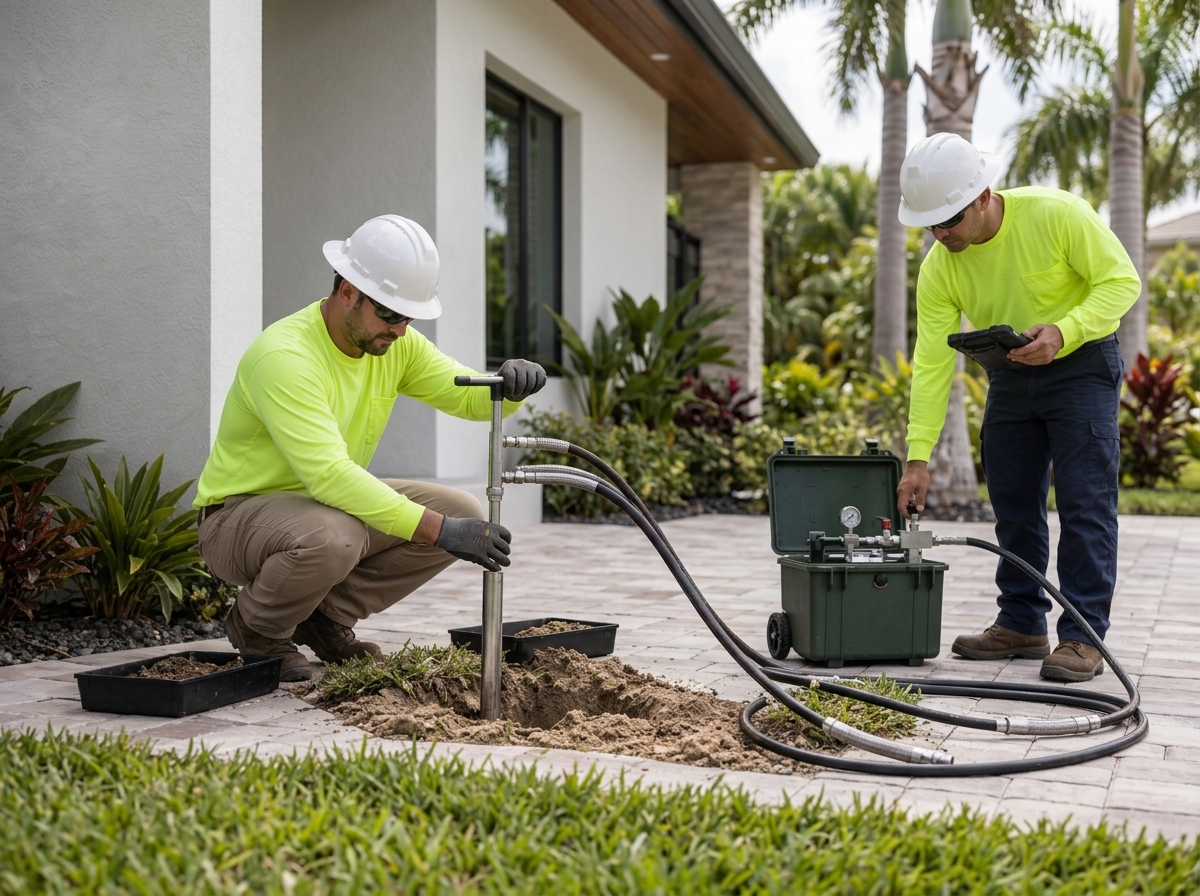
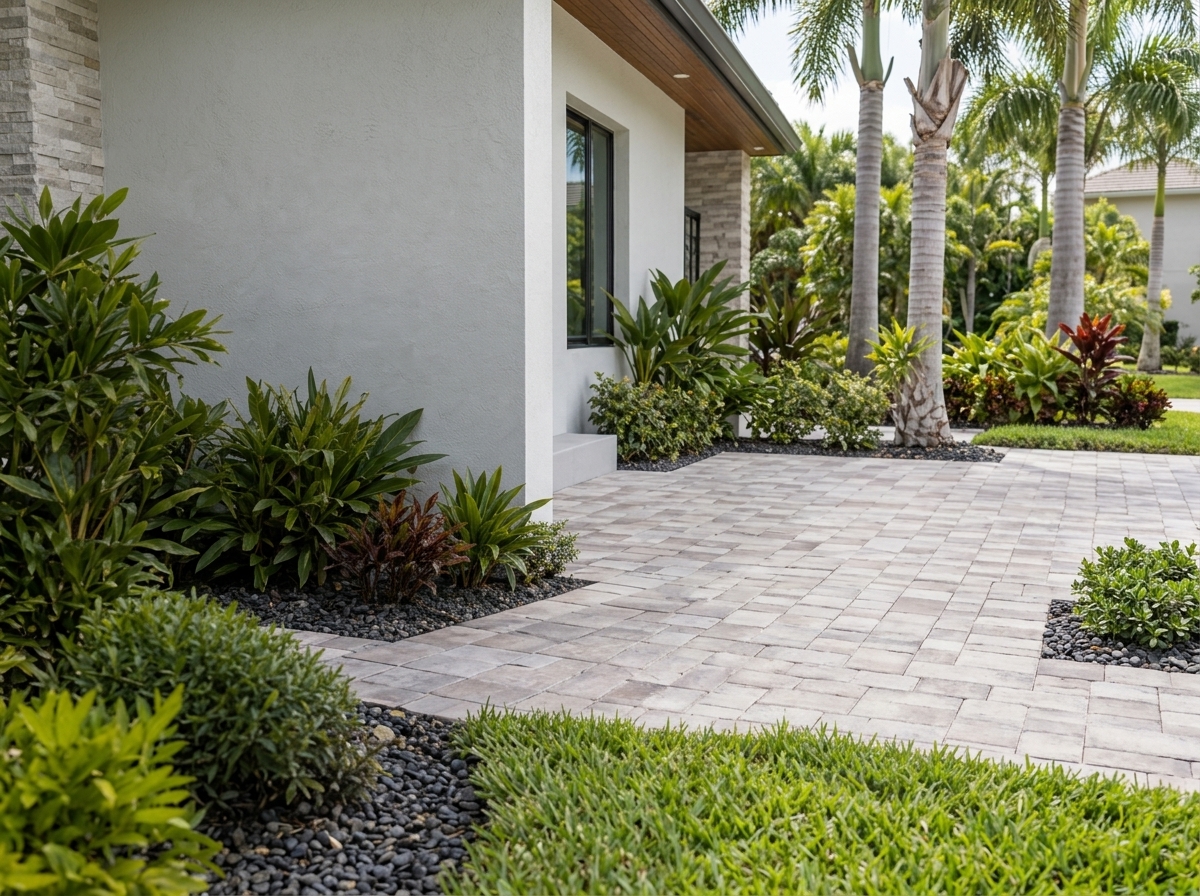
Illustrative imagery on this page represents the service; it is not photography of a specific SCFS project. See real SCFS foundation and piling work in the project gallery.
Not sure whether it is the soil or the foundation?
Tell us what you are seeing and when it started. A few details and photographs are enough to begin.